










Introduction
The Learning Transformation Research Group (LTRG) at Virginia Tech aims to significantly enhance the learning and teaching of Science, Technology, Engineering and Mathematics (STEM) in K-12 curricula. LTRG consists of faculty members, graduate students, and undergraduate students from the following colleges and departments:
- College of Liberal Arts and Human Sciences
- College of Science
- College of Engineering
LTRG is funded by the National Science Foundation (NSF) Discovery Research (DR) K-12 program from August 15, 2011 through December 31, 2014. The funded project is entitled
Gateways to Algebraic Motivation, Engagement and Success (GAMES):
Supporting and Assessing Fraction Proficiency with Game-Based, Mobile Applications and Devices
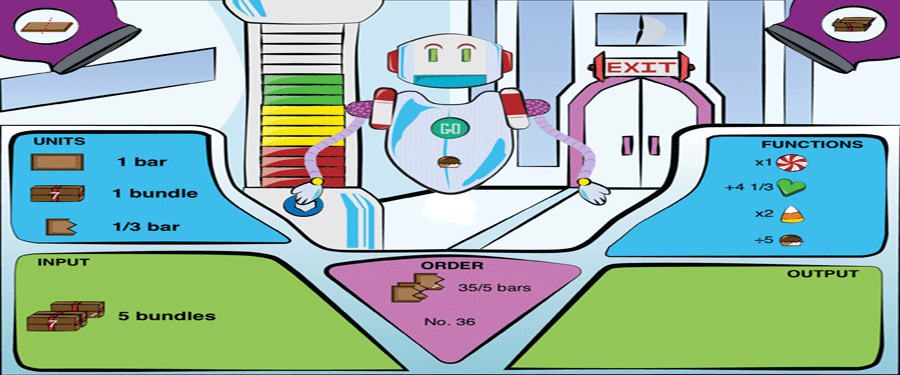
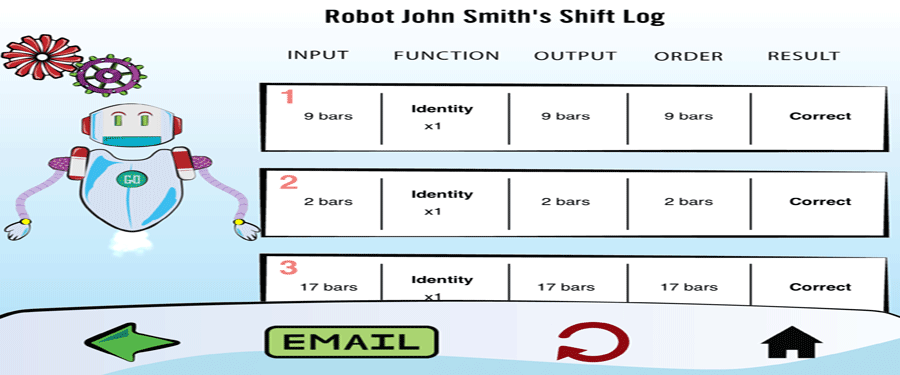
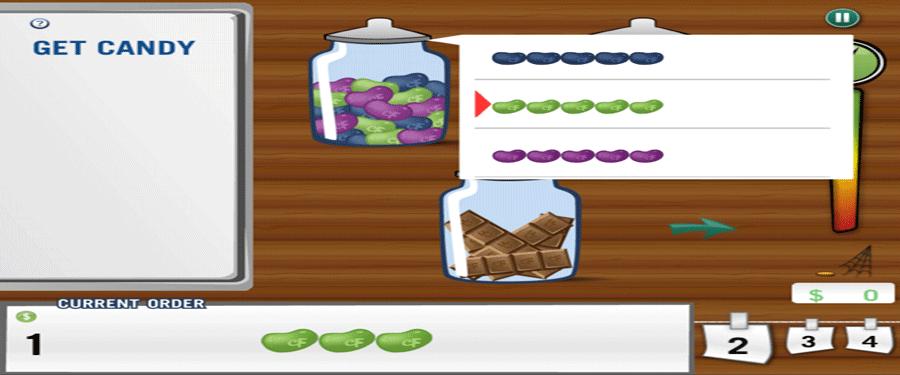
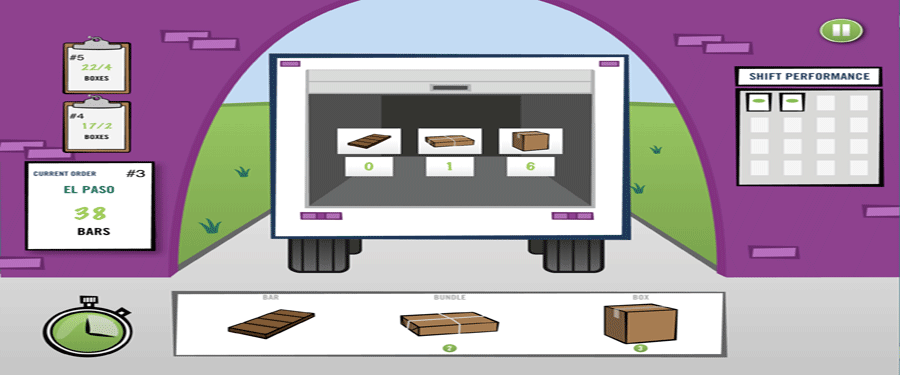
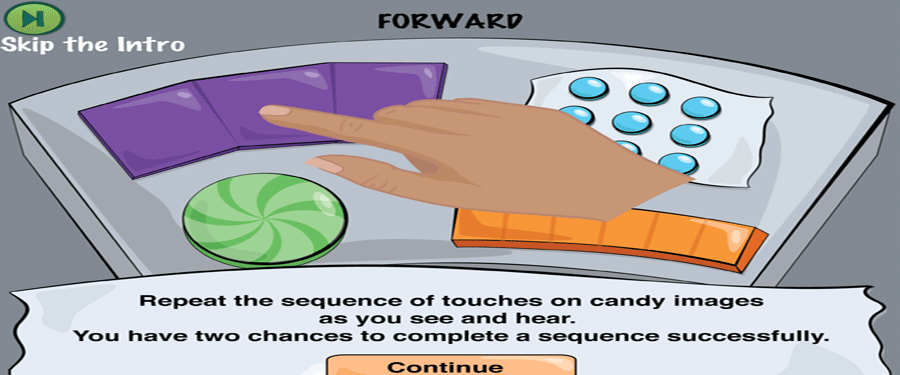
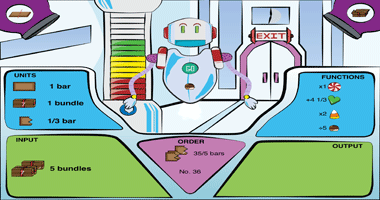
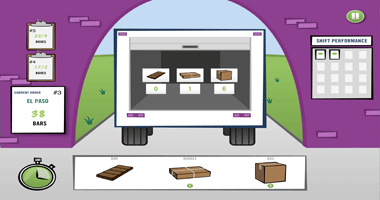
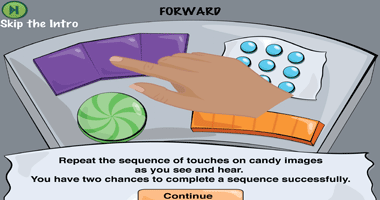
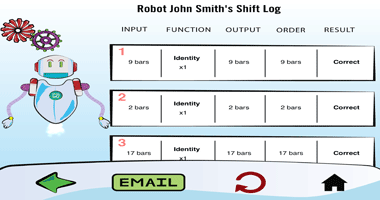
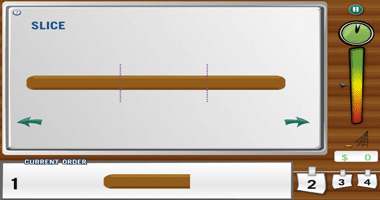
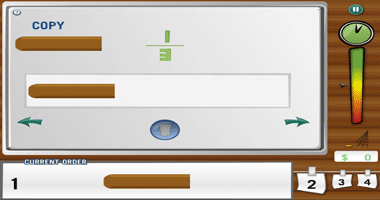
The GAMES project addresses NSF DR K-12 challenge 5 by providing answers to the following research question, “How can educational digital games designed for networked mobile platforms produce lasting changes in student learning by enhancing engagement and interest in STEM domains?” For current proposed activities, LTRG focuses on the algebra-readiness of 150 low-achieving, rural middle school students in southern Virginia. LTRG will develop and deploy educational games on iOS (iPad, iPhone, iPod Touch) mobile devices to engage students in learning the concept of fractions, which is expected to lead to algebra-readiness.
LTRG's research approach includes the investigation of the research question from multiple perspectives:
- position engagement as a key factor to interest and academic success;
- use known hypothetical learning trajectories that support algebra readiness and provide indicators of progress; and
- offer a research and development plan demonstrating how games and mobile platforms can be leveraged to measure and promote engagement, leading to academic success.
LTRG will demonstrate how these perspectives establish a foundation for a comprehensive, evidence-based approach to game design based on hypothetical learning trajectories for mathematics and components of engagement.